


Why Laser Distance Sensors are Essential for Modern Engineering: A Comprehensive Guide
Release time:
2026-01-06 13:20
Source:

Why Laser Distance Sensors are Essential for Modern Engineering
Table of Contents
- Introduction to Laser Distance Sensors
- Understanding the Functionality of Laser Distance Sensors
- Types of Laser Distance Sensors Available
- Applications of Laser Distance Sensors in Engineering
- Benefits of Using Laser Distance Sensors
- Challenges and Considerations in Using Laser Distance Sensors
- The Future of Laser Distance Sensors in Engineering
- Frequently Asked Questions
- Conclusion
Introduction to Laser Distance Sensors
In the rapidly evolving world of engineering, precision and efficiency are paramount. One technology that has become increasingly indispensable is the **laser distance sensor**. These sensors utilize laser technology to measure distances accurately, offering a level of precision that traditional measuring tools cannot achieve. In this article, we will explore why laser distance sensors are essential for modern engineering practices, examining their functionality, various types, applications, benefits, and future trends.
Understanding the Functionality of Laser Distance Sensors
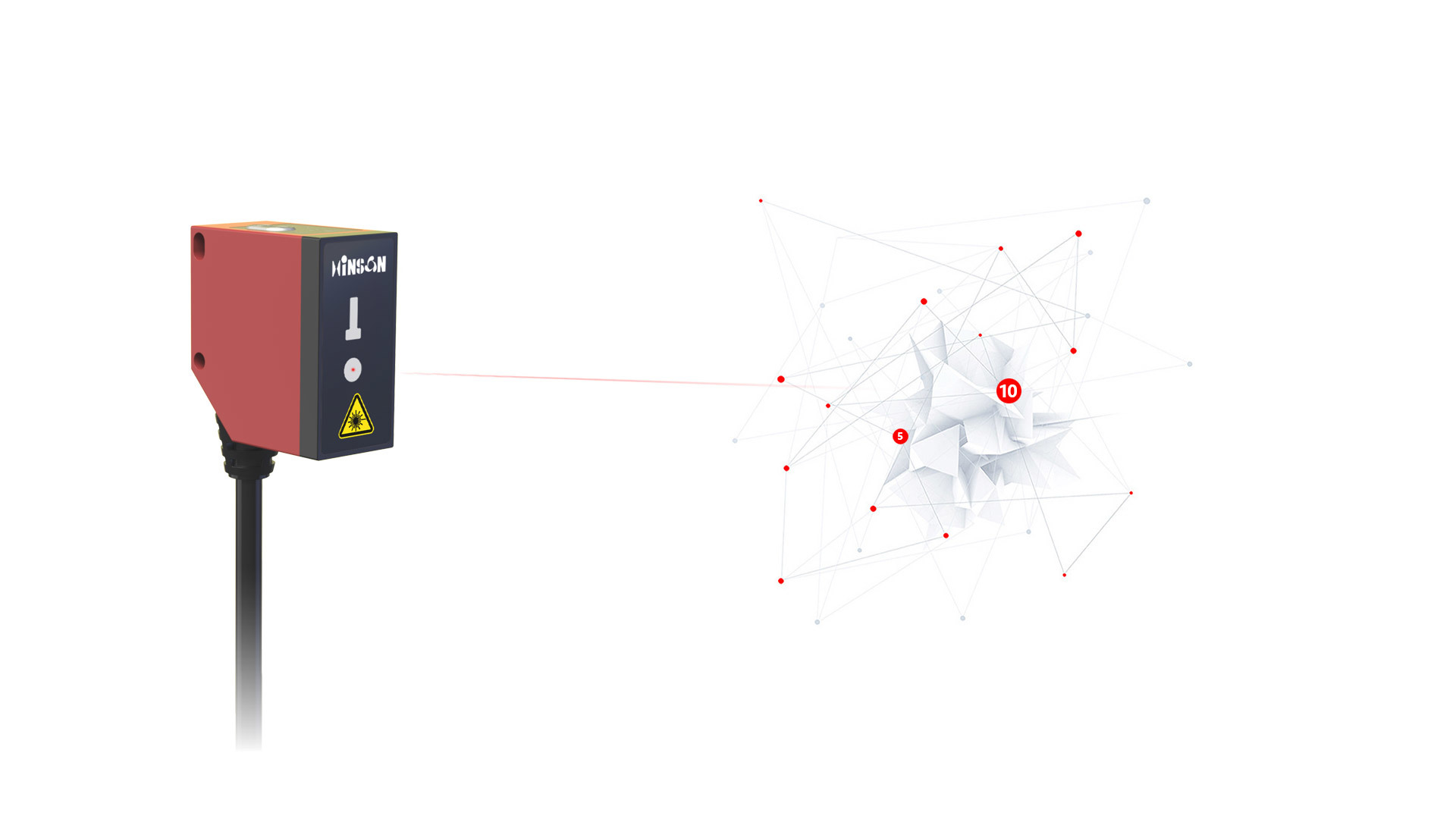
Laser distance sensors operate on the principle of **time-of-flight measurement**. When the sensor emits a laser beam towards an object, the beam reflects back to the sensor. By calculating the time taken for the laser to return, the sensor can determine the distance to the object with remarkable accuracy.
This technology is not only fast but also capable of measuring distances over long ranges, often exceeding several kilometers. The accuracy of laser distance sensors can reach millimeter levels, making them essential in applications where precision is critical.
Key Components of Laser Distance Sensors
Laser distance sensors consist of several key components:
- **Laser Diode**: Generates the laser beam.
- **Optical Receiver**: Detects the reflected laser light.
- **Microcontroller**: Processes the time-of-flight data to calculate distance.
- **Display Unit**: Shows the measured distance, often equipped with connectivity options for integration with other systems.
Types of Laser Distance Sensors Available
Laser distance sensors come in various types, each suited for different applications. Understanding these types can help engineers choose the right sensor for their specific needs.
1. Time-of-Flight Sensors
These are the most common type of laser distance sensors. They measure the time it takes for the laser beam to travel to the target and back.
2. Phase-Shift Sensors
Phase-shift sensors compare the phase of the emitted laser beam with the reflected beam. This method provides high accuracy and is suitable for shorter distances.
3. Triangulation Sensors
Triangulation sensors use the angle of the reflected laser beam to determine distance. They are ideal for measuring short distances with high precision.
4. Laser Scanners
Laser scanners capture the geometry of an object or environment by taking numerous measurements in a short time, creating a detailed 3D representation.
Applications of Laser Distance Sensors in Engineering
Laser distance sensors are utilized in a multitude of engineering applications, owing to their accuracy and efficiency.
1. Construction and Civil Engineering
In construction, laser distance sensors are vital for surveying land, monitoring structural integrity, and ensuring accurate measurements for building designs. They facilitate quick and precise measurements, reducing the potential for human error.
2. Manufacturing and Industrial Automation
In manufacturing, these sensors play a crucial role in quality control processes. They ensure that products meet specified dimensions and tolerances, which is essential for maintaining high production standards.
3. Robotics and Automation
In robotics, laser distance sensors enable robots to navigate and interact with their environment effectively. By providing real-time distance measurements, they help robots avoid obstacles and perform tasks with accuracy.
4. Automotive Industry
In the automotive sector, laser distance sensors are used in systems such as adaptive cruise control and parking assistance, enhancing vehicle safety and convenience.
Benefits of Using Laser Distance Sensors
The adoption of laser distance sensors in engineering offers numerous benefits, making them a must-have tool in the industry.
1. High Precision and Accuracy
Laser distance sensors provide unparalleled accuracy, often measuring distances within millimeters. This level of precision is essential for applications that demand exact measurements.
2. Speed and Efficiency
These sensors can take measurements in a fraction of a second, greatly improving the efficiency of engineering processes. This speed is especially beneficial in high-paced environments such as construction and manufacturing.
3. Versatility
Laser distance sensors can be used in a wide range of applications across various industries, from construction to robotics, making them incredibly versatile tools.
4. Reduced Labor Costs
By automating measurement tasks, laser distance sensors can significantly reduce the need for manual labor, lowering costs and minimizing the risk of human error.
5. Enhanced Safety
In hazardous environments, laser distance sensors allow for remote measurements, minimizing the need for personnel to enter potentially dangerous areas.
Challenges and Considerations in Using Laser Distance Sensors
While laser distance sensors offer numerous advantages, some challenges must be considered.
1. Environmental Factors
External conditions, such as rain, fog, or dust, can affect the performance of laser distance sensors. Engineers must consider these factors when deploying sensors in outdoor applications.
2. Calibration and Maintenance
Regular calibration is necessary to ensure accurate measurements. Engineers need to develop maintenance schedules to keep sensors in optimal condition.
3. Cost
While prices for laser distance sensors have decreased over the years, high-end models can still be expensive. Organizations must weigh the benefits against the investment required.
The Future of Laser Distance Sensors in Engineering
The future of laser distance sensors looks promising, with ongoing advancements in technology leading to even greater capabilities.
1. Integration with IoT
As the Internet of Things (IoT) continues to gain traction, laser distance sensors are increasingly being integrated into smart systems. This integration allows for real-time data collection and analysis, enhancing decision-making processes.
2. Miniaturization and Portability
Future developments are likely to focus on making laser distance sensors smaller and more portable, making them easier to use in various applications, particularly in fieldwork.
3. Advanced Data Analytics
With the growing emphasis on data-driven decision-making, future laser distance sensors may incorporate advanced analytics capabilities, providing engineers with deeper insights derived from measurement data.
Frequently Asked Questions
1. What is the main advantage of laser distance sensors over traditional measuring tools?
The primary advantage is the high level of precision and speed they offer, allowing for accurate measurements without the limitations of human error.
2. How far can laser distance sensors measure?
Depending on the type and model, laser distance sensors can measure distances from a few centimeters to several kilometers.
3. Are laser distance sensors affected by environmental conditions?
Yes, factors such as weather conditions and obstacles can affect the accuracy of laser distance sensors.
4. What industries benefit from laser distance sensors?
Industries such as construction, manufacturing, robotics, and automotive greatly benefit from the use of laser distance sensors.
5. How do I choose the right laser distance sensor for my project?
Consider factors such as measurement range, required precision, environmental conditions, and specific application needs when selecting a laser distance sensor.
Conclusion
Laser distance sensors are revolutionizing modern engineering by offering unmatched precision, speed, and versatility. Their applications span various industries, from construction to manufacturing, making them invaluable tools for engineers. Despite some challenges, the benefits of using laser distance sensors far outweigh the drawbacks, paving the way for a future where these sensors will become even more integrated into the fabric of engineering practices. As technology advances, the potential for laser distance sensors will only continue to grow, solidifying their status as essential tools in the engineering toolkit.
Related News
Meet HINSON at Automation Expo 2026 in Mumbai
HINSON will participat Automation Expo 2026 in Mumbai,India
Understanding Optical Data Transmitters: Key Components and Applications in Modern Communication
--- Optical Data Transmitters are critical components in modern communication systems, facilitating the transmission of data over long distances via light signals. These devices convert electrical signals into optical signals, which are then transmitted through fiber optic cables. The ability to transmit large amounts of data at high speeds makes optical data transmitters indispensable in various
How Optical Communication Sensors Enable Real-Time Data Monitoring
Understanding Optical Communication Sensors What Are Optical Communication Sensors? Optical communication sensors are advanced devices that utilize light to transmit and receive data. These sensors convert various physical parameters, such as temperature, pressure, and displacement, into optical signals. The primary advantage of using optical signals over traditional electronic signals is their ab
Unlocking the Potential of Radio Frequency Sensors in Modern Applications
Radio Frequency (RF) Sensors are advanced electronic components that utilize electromagnetic fields to detect and measure various physical phenomena. These sensors operate using radio waves, making them particularly effective for applications requiring non-contact measurements, distance sensing, and motion detection. With the rapid evolution of smart technology, the role of RF sensors is becoming
The Future of Robotics: Understanding Magnetic Navigation Sensors
The Future of Robotics: Understanding Magnetic Navigation Sensors As we embark on an era defined by rapid technological advancement, the role of magnetic navigation sensors in robotics is becoming increasingly significant. These sensors are pivotal in ensuring precision, reliability, and efficiency in robotic systems. In this comprehensive analysis, we will delve into the intricacies of magnetic n
Unlocking the Power of Vision Sensors in Electronics
Vision sensors are increasingly becoming a critical component in the electronic components industry, particularly in the realm of sensors. These specialized devices utilize advanced image processing techniques to detect, analyze, and interpret visual data, making them indispensable for various applications ranging from quality control to automation in manufacturing processes. One of the key advant
Solutions for your industry, ready for your choices
Hinson
Guangdong Hinson Technology Co., Ltd.
Support customers to become industry leaders
Industrial automation sensing and control solution provider
WeChat Public Number
Business consulting
Service Hotline
Building 8, Shengyue Garden, 33 Shunye East Road, Xingtan Town, Shunde District, Foshan City, Guangdong Province
(Shunde Machinery Industrial Park)
 Português